
Evidence- and Value-based Solutions for Health Care™
Clinical Improvement Consults, Content Development, Training & Seminars, Tools
Publication: Creating evidence-based drug monographs and drug class reviews
The EBM Information Quest: Is it true? Is it useful? Is it usable?™
Delfini Co-founders: Michael E Stuart MD, President & Medical Director . Sheri Ann Strite, Managing Director & Principal

Why Critical Appraisal Matters




 DelfiniClick™Evidence & Quality Improvement Commentaries |
Follow & Share...
Just-in-time Updates
Like Us  Find Us
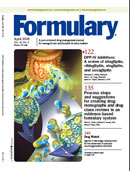
Formulary®: a peer-reviewed drug management journal for managed care and hospital decision-maker
DelfiniGram™: GET ON OUR UPDATE LIST 
Process steps and suggestions for creating drug monographs and drug class reviews in an evidence-based formulary system
Strite SA, Stuart ME, Urban S. Process steps and suggestions for creating drug monographs and drug class reviews in an evidence-based formulary system. Formulary. April 2008;43:135–145.
Abstract
Given the high estimates of inappropriate healthcare decisions in this
country and the well-documented evidence of inappropriate variations in
healthcare, a well-functioning formulary system is of great importance.
Bias in research tends to inflate or falsely report benefit in clinical
trials of interventions by up to a relative 40% to 50%. Therefore, to
ensure the adoption of products with valid and clinically useful outcomes,
formulary systems should include in their processes the key steps used
in evidence-based medicine, including the evaluation of therapeutic studies
for bias and clinical usefulness to inform formulary decisions. This article
outlines requirements and suggestions for obtaining studies with appropriate
designs and acceptable methodology and execution, and emphasizes why such
studies should be the basis for developing drug monographs and class reviews
and informing decisions. (Formulary. 2008;43:135–145.)
Online and downloadable version [PDF]
........

At Publications: EB Monographs

Menu........
Use of our website implies agreement to our Notices. Citations for references available upon request.
Home
Best of Delfini
What's New
Blog
Seminars
Services
Delfini Group Publishing
Resources
Sample Projects
Notices
About
Us & Our Work
Testimonials
Other
Site Search
Contact
Info/Updates
........
Quick Navigator to Selected Resources
- Tools & Educational Library
- The Healthcare Information Problem
- Tutorials
- DelfiniClick™—commentaries
- On the Same Page™—patient decision support
- Evidence Messaging Scripts
- Delfini Publications
- Medical Leader Interviews
- Glossary
- Recommended Reading
- Recommended Web Links
- Delfini Critical Appraisal Flier
- Get DelfiniGram™ Updates
.......................